
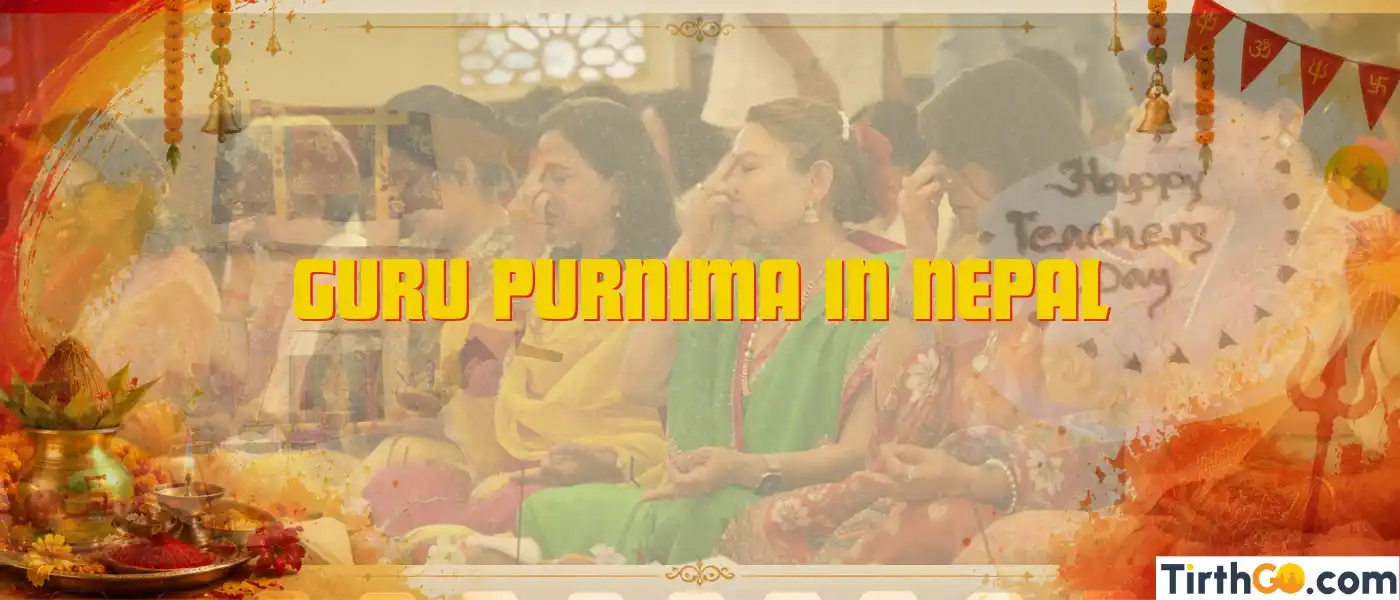
- Event Name
- Guru Purnima - Vyasa Purnima - Teacher's Day
- Duration
- 1 day
- Location
- Khaptad, Ruru Kshetra, Observed across Nepal by students, disciples, devotees, monks, teachers, and families, with school programs, guru puja, ashram visits, monastery prayer, and lineage remembrance.
- Category
- Major Festival
- Tradition
- Guru Purnima, Vyasa Purnima, teacher worship, guru puja, guru dakshina, garlands, topi, school programs, ashram satsang, paduka puja, Ashadha Purnima, Buddha's first sermon, Chaturmas, Vassa



Guru Purnima in Nepal is the full-moon festival for honoring teachers and spiritual guides. It falls on Ashadha Purnima, usually in June or July.
The day has two strong faces in Nepal.
In schools, students honor teachers with flowers, garlands, topi, sweets, speeches, songs, and small programs. In ashrams, monasteries, temples, and lineage centers, disciples remember the guru who gave them teaching, discipline, mantra, practice, or direction.
That is why Guru Purnima belongs to classrooms as well as sacred lineages.
A child thanking a schoolteacher and a disciple bowing before a spiritual teacher are not doing the same ritual, but both are expressing the same idea: knowledge does not arrive alone. Someone carries it to us.
Guru Purnima is a day of gratitude toward the person who removes confusion and gives direction.
The Sanskrit word guru is often explained through two roots: gu as darkness and ru as remover. In simple language, a guru is someone who helps take a person from not knowing toward understanding.
In Nepal, that meaning stretches across many kinds of teachers.
It includes schoolteachers, spiritual gurus, parents who taught discipline, music teachers, Sanskrit teachers, monks, lamas, acharyas, yoga teachers, and elders who carried a tradition before us.
The festival is respectful, but it can also feel warm and lively in schools: students decorating classrooms, preparing cards, offering flowers, taking photos with teachers, and organizing short cultural programs.
Guru Purnima falls on Ashadha Purnima, the full moon day of the month of Ashadh.
In the English calendar, it usually falls in June or July. The exact date changes every year.
The date also comes at the beginning of the monsoon spiritual season. In Hindu practice, this period is associated with Chaturmas, when many ascetics and spiritual teachers settle in one place for study, teaching, and discipline. In Buddhist practice, the rainy-season retreat, or Vassa, begins around this time in many traditions.
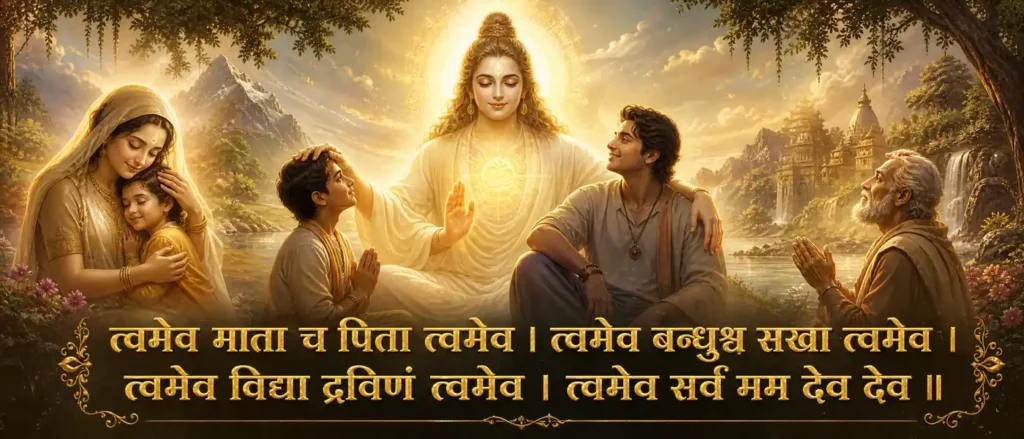
Guru Purnima is also called Vyasa Purnima.
Veda Vyasa is remembered as the compiler of the Vedas and the author of the Mahabharata. Because he preserved and organized sacred knowledge, the day honors him as a great guru of the Hindu tradition.
The festival also carries the idea of Shiva as Adi Guru, the first guru. In yogic tradition, Shiva is said to have transmitted yogic knowledge to the Saptarishis, the seven sages. That gives Guru Purnima a deep place in yoga, meditation, and spiritual discipline.
For Buddhists, the same full moon carries a sacred memory.
Ashadha Purnima remembers the Buddha’s first sermon at Sarnath, where he taught the Dharmachakra Pravartana Sutra to his first five disciples after enlightenment. That moment began the teaching community of the Buddha.
In Nepal, these traditions sit side by side. A Hindu family may remember Vyasa and their guru. A Buddhist family may go to a monastery or listen to teachings. A school may honor teachers in a cultural program. The shared center is respect for transmitted knowledge.
Guru Purnima is observed across Nepal in schools, colleges, ashrams, monasteries, temples, yoga centers, meditation centers, Sanskrit pathsalas, and homes.
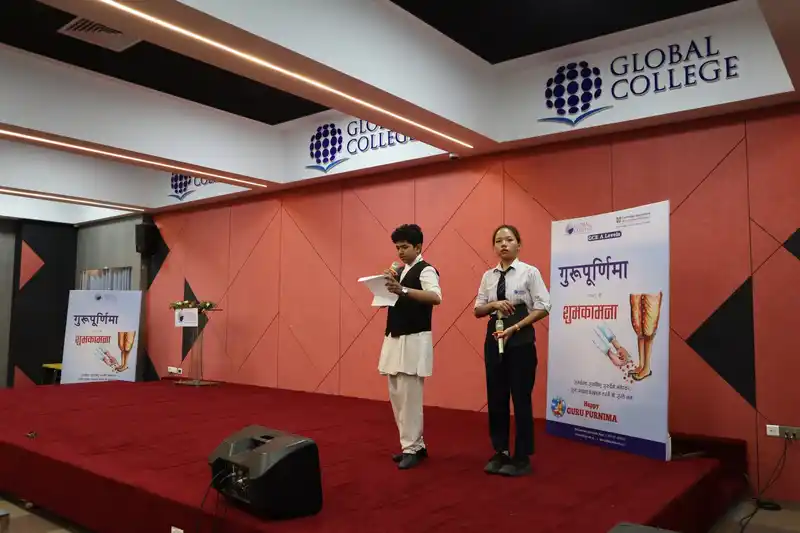
Schools are the most visible places for many people. Students gather for Teacher’s Day-style programs, offer flowers or garlands, give sweets, put topi on teachers, and thank them through speeches, songs, and group photos.
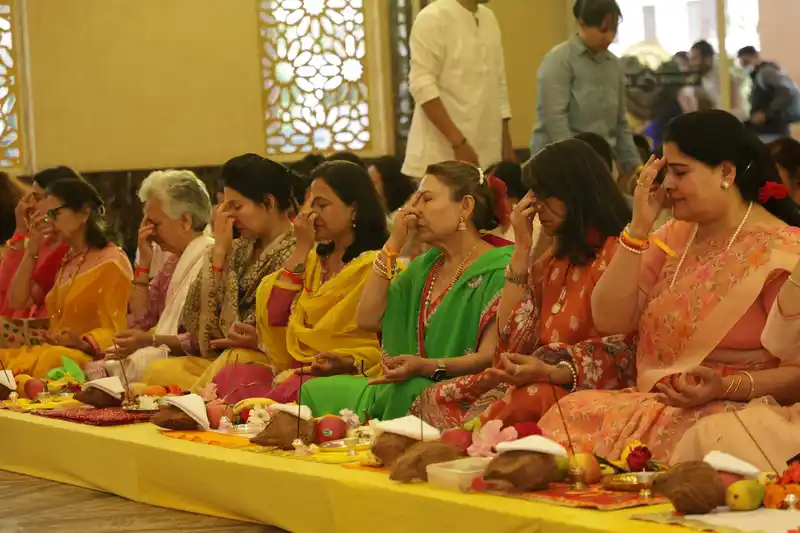
Ashrams and guru-lineage centers mark the day more quietly. Devotees may visit their guru, attend satsang, listen to pravachan, offer flowers, touch the guru’s feet, or sit in meditation.
Monasteries may connect the day with Ashadha Purnima, Dharma teaching, and the beginning of the rainy-season discipline. In some Buddhist settings, the day is less about a single personal guru and more about honoring Buddha, Dharma, Sangha, and the teachers who keep the lineage alive.
Khaptad Baba Ashram belongs naturally to this event because Khaptad Baba is remembered as a saint, yogi, teacher, and writer who lived for decades in the Khaptad region. Ruru Kshetra also belongs to the guru and Vedic-learning tradition because of its old Hindu pilgrimage, ritual, and learning associations.
Teacher’s Day In Schools
In Nepal, many schools treat Guru Purnima as Teacher’s Day.
Students may bring flowers, sweets, cards, garlands, or small gifts. Some schools organize songs, dances, speeches, games, or appreciation programs. Teachers may receive topi, khada, tika, or simple handmade cards from students.
Saraswati Puja honors learning itself. Guru Purnima honors the people who teach.
Guru Puja And Guru Dakshina
In spiritual settings, disciples may offer guru puja or guru dakshina.
The offering can be flowers, fruit, cloth, money, service, or time spent with the teacher. In some traditions, disciples worship the guru’s paduka, the sandals or symbolic feet of the guru, because the feet represent the path walked before them.
Satsang And Pravachan
Ashrams and spiritual centers may hold satsang, bhajan, kirtan, meditation, or pravachan.
For many devotees, the main value of the day is listening again. A teaching that has been heard many times may feel fresh on Guru Purnima because the listener arrives with gratitude.
Monastery Prayer And Buddhist Teaching
In Buddhist communities, Ashadha Purnima remembers the Buddha’s first sermon and the beginning of Dharma teaching.
Monasteries may hold prayers, teachings, offerings, or meditation. The day can also sit near the start of the rainy-season retreat, when monks remain in one place for study and practice.
Family And Informal Gurus
Not every guru sits in an ashram.
Many Nepali families use the day to remember parents, grandparents, elders, music teachers, priests, lamas, Sanskrit teachers, schoolteachers, and anyone who shaped their life through knowledge or discipline.
This gives Guru Purnima a gentle emotional depth. The day is for disciples, students, families, and anyone who remembers who taught them how to live.
Khaptad Baba Ashram is a strong Nepal place for Guru Purnima because Khaptad Baba is remembered as a yogi, saint, thinker, and teacher. The place carries meditation, discipline, solitude, and guru remembrance.
Ruru Kshetra belongs to the Vedic and pilgrimage-learning tradition. The Rishikesh temple complex and Kaligandaki setting bring guru tradition close to old Hindu ritual practice.
Local ashrams, mathas, yoga centers, Buddhist monasteries, and Sanskrit schools across Nepal may be more relevant for most people than one famous dham. Guru Purnima is often strongest wherever a living teacher-student relationship exists.
In schools, visitors may see decorated classrooms, flowers, garlands, students giving speeches, teachers wearing topi or tika, and group photos after the program.
In ashrams, the scene may be quieter: disciples sitting on the floor, bhajan, a guru’s photo or seat, flowers, incense, scripture reading, and pravachan.
In monasteries, the day may include prayer, offerings, lamps, Dharma teaching, and monks or lamas receiving respect from students and lay followers.
In homes, the day may be simple. A person may call a teacher, visit an elder, offer flowers to a guru’s photo, or remember someone who guided them.
Use the current Nepali calendar for the exact date because Guru Purnima changes every year.
If you are visiting a school program, confirm that guests are welcome. Many programs are meant for students, teachers, and parents.
If you are visiting an ashram or guru center, check the current-year schedule for satsang, puja, meal timing, and crowd arrangements.
If you are going to a monastery, use the language of that community. Some Buddhist places may call the day Ashadha Purnima, Dharma Day, or connect it with the Buddha’s first sermon rather than Guru Purnima.
For Khaptad Baba Ashram or distant spiritual places, treat the visit as a proper travel plan. Road access, weather, monsoon conditions, food, and lodging need care.
What is Guru Purnima in Nepal?
Guru Purnima is the full-moon festival for honoring teachers, spiritual gurus, mentors, and lineage holders. In Nepal, it is observed in schools, ashrams, monasteries, temples, and homes.
When is Guru Purnima?
Guru Purnima falls on Ashadha Purnima, usually in June or July. The exact English date changes every year.
Is Guru Purnima Teacher’s Day in Nepal?
Yes. Many schools in Nepal treat Guru Purnima as Teacher’s Day. Students offer flowers, garlands, sweets, topi, cards, speeches, and small programs to thank their teachers.
Why is Guru Purnima called Vyasa Purnima?
It is called Vyasa Purnima because the day honors Veda Vyasa, the sage remembered for compiling the Vedas and composing the Mahabharata.
Is Guru Purnima only a Hindu festival?
No. Guru Purnima is central in Hindu traditions, but Buddhists also observe Ashadha Purnima as the day of Buddha’s first sermon. In Nepal, the day can appear in both Hindu and Buddhist learning traditions.
Where can I go for Guru Purnima in Nepal?
Schools, ashrams, monasteries, yoga centers, Sanskrit pathsalas, and guru-lineage centers are natural places for Guru Purnima. Khaptad Baba Ashram and Ruru Kshetra also place the day within Nepal’s spiritual and Vedic heritage.
What is guru dakshina?
Guru dakshina is an offering made to a teacher or guru. It can be a gift, service, donation, or a gesture of gratitude, depending on the tradition and relationship.