
- Event Name
- Buddha Jayanti - Buddha Purnima - Vasek
- Duration
- 1 day
- Location
- Kathmandu, Kavre, Lumbini, Rupandehi district, Tengboche, Observed through prayers, flower offerings, lamp offerings, circumambulation, chanting, dana, vihar visits, monastery programs, peace gatherings, pilgrimage to Lumbini, and respectful visits to Buddhist and shared sacred sites.
- Category
- Major Festival
- Tradition
- Buddha Jayanti, Buddha Purnima, Vesak, Swanya Punhi, Shakyamuni Buddha, Newar Buddhism, Shakya, Vajracharya, Buddha as Vishnu avatar in Hindu tradition, Lumbini, Maya Devi Temple, Ashoka Pillar, prayer flags, butter lamps, kora, dana, meditation, monastery prayers, peace procession



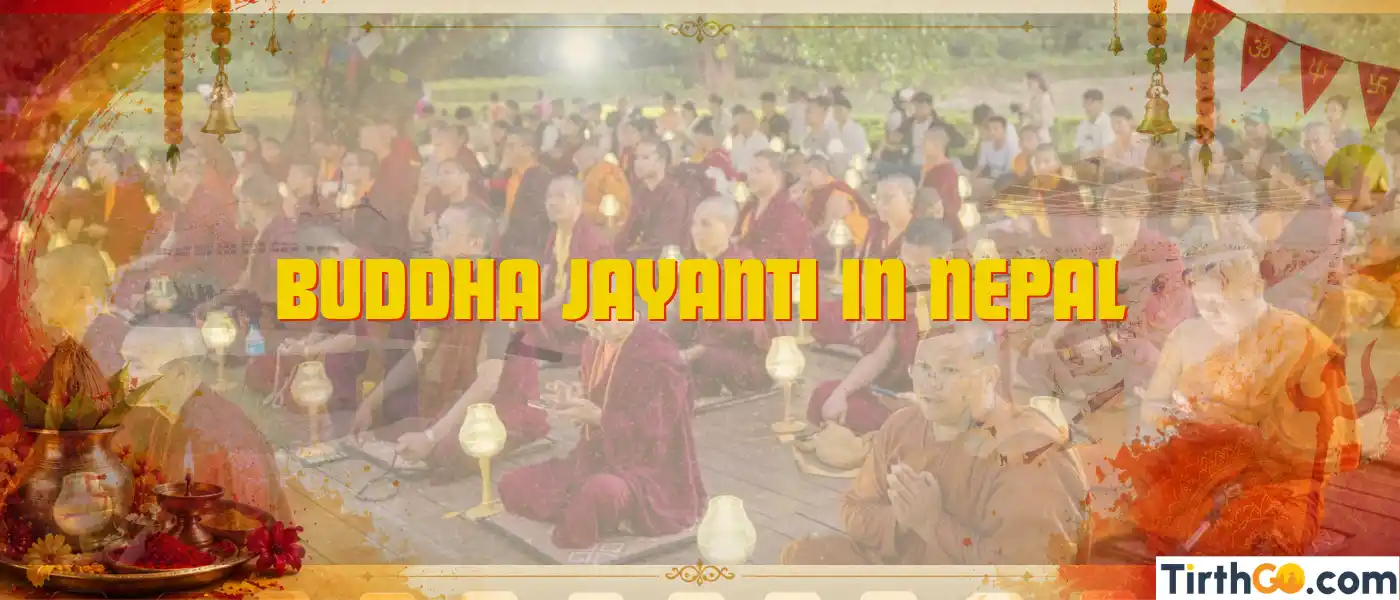
Buddha Jayanti is Nepal’s full-moon day for honoring Shakyamuni Buddha.
In Nepal, the day has a special place because Lumbini, in present-day Rupandehi, is the birthplace of Siddhartha Gautama, who became the Buddha.
Across the country, Buddhists visit stupas, monasteries, vihars, and pilgrimage sites. People light butter lamps, offer flowers, make kora around stupas, listen to teachings, chant, meditate, give dana, and spend the day with a quieter mind.
At Lumbini, the day becomes a national and international pilgrimage gathering.
For many Newar Buddhist families, especially Shakya and Vajracharya communities of Kathmandu Valley, Buddha Jayanti is not a side observance. It is Swanya Punhi, the full moon of flowers, and it can feel like a main Buddhist family and community festival. Vihars, bahals, stupas, and neighborhood Buddhist spaces become part of the day, not only the famous pilgrimage sites.
Many Hindu families also respect Buddha on this day.
In Vaishnava tradition, Buddha is often understood as an avatar of Vishnu.
In Nepal, that belief sits beside Buddhist practice without replacing it, which is why the day can bring Buddhist devotees, Hindu visitors, school groups, and general Nepali families into the same sacred spaces.
The festival is also called Buddha Purnima or Vesak in many contexts. In some Himalayan and Tibetan Buddhist communities, the wider season may be understood through Saga Dawa, a sacred month of practice, merit, and remembrance.
The names vary, but the day draws people toward the Buddha’s life, the Dharma, and the wish for peace.
Buddha Jayanti honors the Buddha through his life and teaching.
Many Buddhist calendars remember the full moon as the day of the Buddha’s birth, enlightenment, and parinirvana.
In Nepal, the birth at Lumbini gives the day its strongest national ground, while Newar Buddhist communities also hold the day through Swanya Punhi, vihar practice, family offerings, and flower-centered devotion.
This is why Buddha Jayanti in Nepal is not only a general Buddhist festival. It returns to a real place: the Sacred Garden of Lumbini, the Maya Devi Temple, the Ashoka Pillar, the ancient pond, and the monastic zone where pilgrims from many Buddhist countries come to pay homage.
The day is not loud in the same way as some street festivals.
Its atmosphere is often calmer: lamps, prayer flags, white khata scarves, monks and nuns in robes, lay devotees with flowers, children joining school programs, and people walking clockwise around stupas with malas in their hands.
Buddha Jayanti falls on the full moon of Baisakh in the Nepali calendar. It usually comes in April or May in the English calendar.
The exact English date changes each year, so check the current Nepali calendar for that year’s observance.
In Nepal, the day is observed as a national holiday.
At major places such as Lumbini, Boudhanath, Swayambhunath, and Namo Buddha, activities may begin before the main day or continue into the evening with lamp offerings, prayers, and cultural programs.
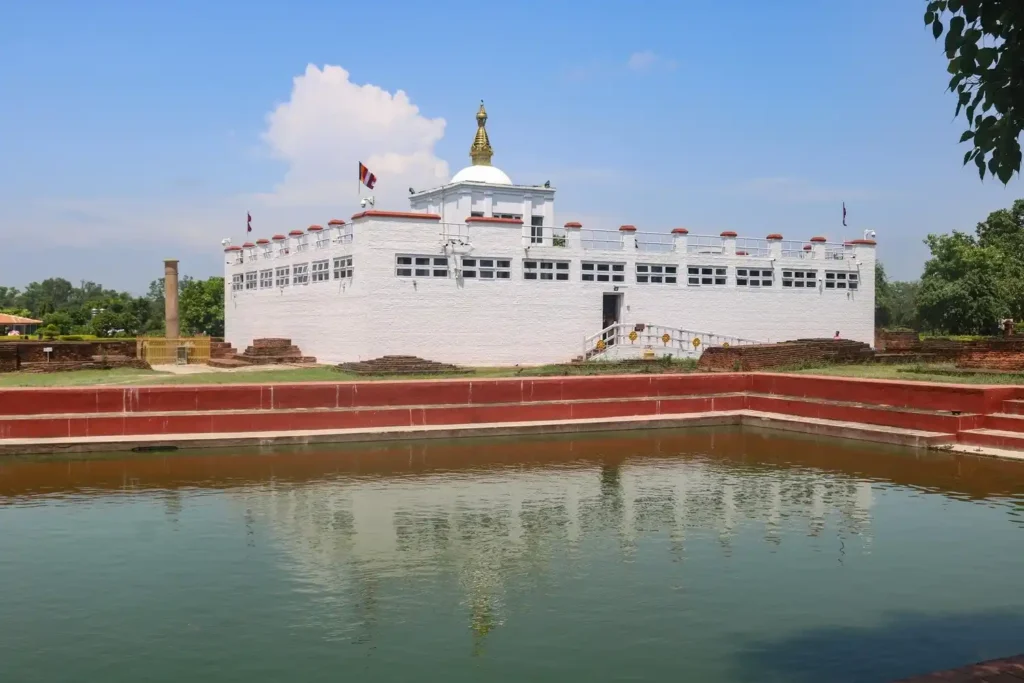
Pilgrims observe Buddha Jayanti to honor the Buddha, remember his teachings, and renew their own practice of compassion, mindfulness, and non-harm.
The birth story of Siddhartha Gautama Buddha begins at Lumbini, Nepal.
Queen Maya Devi is believed to have given birth to Siddhartha Gautama in the Lumbini garden while travelling between Kapilavastu and Devadaha. The Maya Devi Temple, marker stone, sacred pond, and Ashoka Pillar now hold that memory for pilgrims.
For Buddhist devotees, the day is also about the Dharma, not only the birthplace.
The Buddha’s teaching on suffering, its cause, its ending, and the path toward liberation gives the day its deeper practice. Some people spend the day listening to Dharma talks, keeping precepts, offering dana, or sitting quietly in meditation.
In Mahayana and Vajrayana communities, the day may also carry prayers for all sentient beings. Compassion is not treated as a slogan. It appears through small acts: feeding monks, giving to monasteries, helping others, freeing the mind from anger, and walking around a stupa with attention.
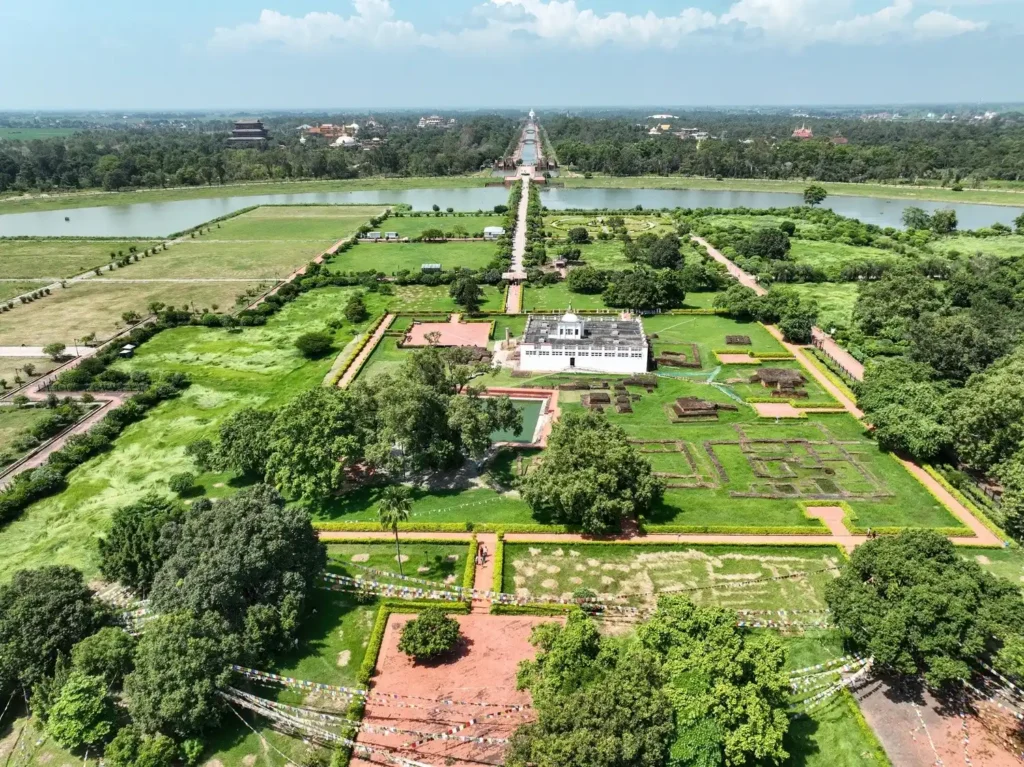
Buddha Jayanti is observed across Nepal, but the strongest pilgrimage focus is Lumbini.
Pilgrims from Nepal, India, Sri Lanka, Thailand, Myanmar, Tibet, Bhutan, China, Japan, Korea, Vietnam, and other Buddhist communities may come to the birthplace area during the season.
Kathmandu Valley has its own deep Buddhist geography.
At Swayambhunath, devotees climb the hill, pass the vajra, turn prayer wheels, and make kora around the great stupa. At Boudhanath, the wide stupa circle fills with monks, nuns, local families, Tibetan Buddhist devotees, Newar Buddhists, visitors, lamps, prayer flags, and steady clockwise movement.
Namo Buddha in Kavre gives the day another kind of sacred depth. The site is tied to the Mahasattva story, where a previous life of the Buddha is said to have offered his body to a starving tigress and her cubs. For many pilgrims, Namo Buddha brings compassion into a story they can walk through, from the stupa to the monastery and the hillside shrines.
In Himalayan communities, monasteries and gompas hold prayers, lamp offerings, and local gatherings.
Tengboche in Khumbu is better known internationally for Mani Rimdu, but it also belongs to Nepal’s wider Buddhist pilgrimage map through its Sherpa Buddhist life, Shakyamuni image, prayer hall, and mountain setting.
Newar Buddhist vihars, Tamang communities, Sherpa settlements, Tibetan Buddhist monasteries, Theravada vihars, and Buddhist schools may each observe the day in their own way. A neighborhood vihar in Patan, Kathmandu, or Bhaktapur can feel just as meaningful for a local family as a major stupa does for a traveller.
For some Nepali Buddhist communities, this is the main public Buddhist festival of the year.
Families may wear white, keep food simple, skip meat for the day, go to vihar for longer prayers or sutra recitation, offer flowers, light lamps, and share kheer or simple vegetarian food.
The day can feel devotional without being noisy: a family visit to the vihar, a quiet stupa round, a meal without meat, and a reminder of the Buddha’s life.
Nepal also has a long tradition of shared Hindu-Buddhist sacred spaces.
Swayambhunath is a Buddhist stupa and a major Buddhist pilgrimage site, but Hindus also revere the complex and worship around its shrines.
Muktinath is Vishnu’s Mukti Kshetra for Hindus and Chumig Gyatsa for Tibetan Buddhists, where the image is also understood through Avalokiteshvara.
Budhanilkantha is Narayanthan for Hindus, centered on the reclining Vishnu, while Buddhist interpretation connects Buddhanilkantha with Avalokiteshvara.
This does not make Buddha Jayanti a Hindu festival. It shows how Nepali sacred life often works with community level respect: Buddhist meaning remains at the center, while Hindu respect, shared sites, and overlapping names sit close by.
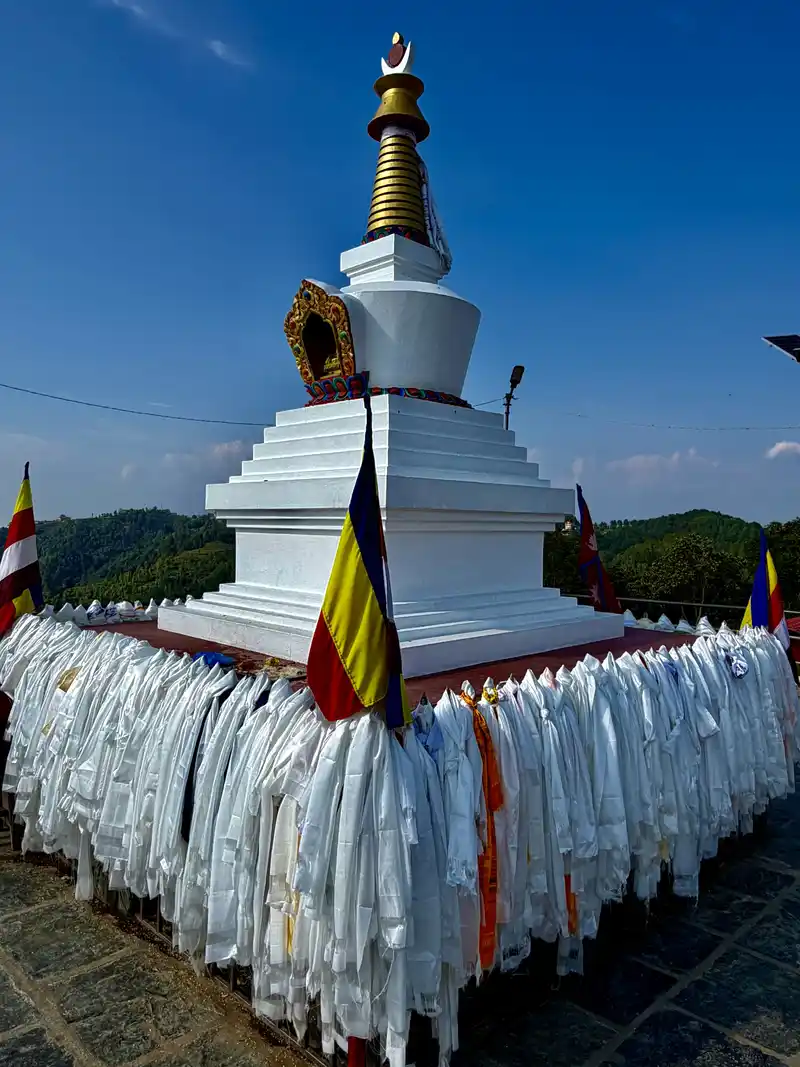
Lumbini is the main Buddha Jayanti pilgrimage site in Nepal. The Maya Devi Temple marks the place traditionally understood as the Buddha’s birthplace. The Ashoka Pillar, sacred pond, ancient ruins, Bodhi tree, and monastic zones make Lumbini a place for both devotion and historical reflection.
On Buddha Jayanti, Lumbini can receive monks, nuns, diplomats, pilgrims, local families, school groups, and international Buddhist communities. Programs may include prayer gatherings, processions, chanting, lamp offerings, peace messages, and visits to the Sacred Garden.
Swayambhunath is a great Buddhist site of Kathmandu Valley. On Buddha Jayanti, people climb the hill, make kora, offer lamps, and spend time around the stupa, shrines, and monasteries. The site carries Newar Buddhist, Vajrayana, and wider Buddhist devotion together.
Boudhanath has a different kind of spaciousness. The stupa circle allows long, repeated kora. On Buddha Jayanti, the area can fill with butter lamps, monks, nuns, lay devotees, prayer wheels, shops selling offerings, and people sitting quietly along the edge of the stupa.
Hiranya Varna Mahavihar, commonly called the Golden Temple of Patan, belongs to Newar Buddhist life. It is a vihara, not a Hindu temple, but it shows Kathmandu Valley’s shared sacred texture: Buddhist courtyards, Shakyamuni images, Vajrayana practice, Hindu sculptures, and mixed local devotion often live close to each other in the same city.
Namo Buddha is especially meaningful for pilgrims who want a compassion-centered sacred story. The Mahasattva-tigress story gives the site its devotional identity, while the monastery and hillside setting make the visit feel more contemplative than crowded.
Tengboche Monastery and other Himalayan gompas connect Buddha Jayanti with Sherpa and Tibetan Buddhist practice. Because mountain travel depends on season, route, and weather, these visits are usually planned as part of a larger trek or monastery journey, not as a quick day trip.
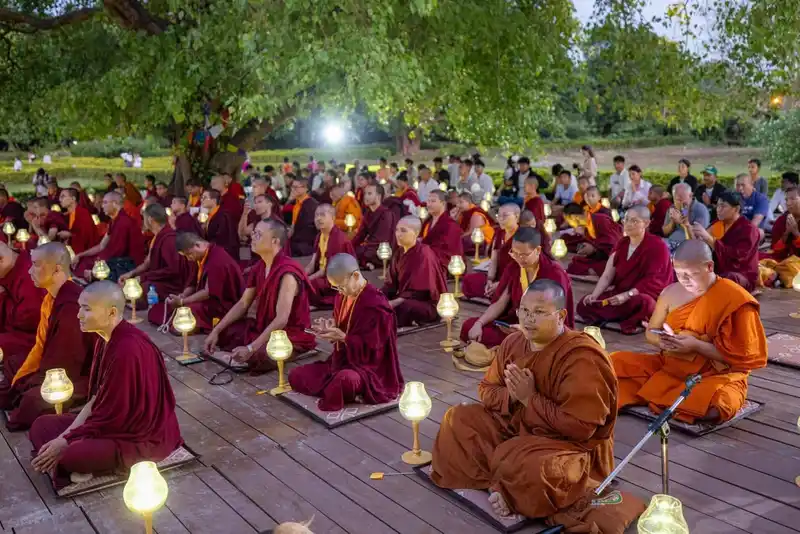
At Lumbini, the day can feel formal and international. You may see Buddhist flags, monks and nuns from different traditions, prayer gatherings, visitors moving between the Maya Devi Temple and Ashoka Pillar, and people sitting under trees or near the pond in quiet reflection.
At Swayambhunath and Boudhanath, the day is more circular. Devotees walk clockwise around the stupa, turn prayer wheels, offer lamps, carry flowers, recite mantras, and pause near monastery entrances. The movement is steady rather than rushed.
At Namo Buddha, the visit often feels more like a hillside pilgrimage. People move between the stupa, monastery, prayer flags, and the place associated with the Mahasattva story. The air is quieter than the city, and the story of compassion sits close to the path.
At Newar Buddhist vihars and bahals, the day may look more intimate. Families bring flowers, lamps, and offerings; elders and women may join longer recitations; children come with parents; and the vihar courtyard holds the kind of community devotion that does not always appear in travel photos.
At monasteries and vihars, the day may include chanting, teachings, dana, simple meals, peace prayers, blood donation or charity programs, school performances, and community gatherings. The exact program changes by institution and year.
Lamps, Prayer Flags And Kora
Buddha Jayanti is easy to recognize around stupas. Butter lamps glow in rows, prayer flags move in the wind, and people walk clockwise in kora. Some carry malas, some whisper mantras, and some walk silently.
The act is simple from the outside, but it changes the pace of the day. A stupa is not only something to look at. On Buddha Jayanti, it becomes a path people move around with body, speech, and mind.
Dana And Compassion
Many Buddhist communities mark the day through dana, or giving. This may include offerings to monks and nuns, support for monasteries, food distribution, charity programs, or simple acts of kindness.
Dana keeps the day grounded.
The Buddha’s teaching is not only studied or praised; it is practiced through generosity and care for others.
Schools, Monasteries And Peace Programs
Because Buddha Jayanti is a public holiday in Nepal, schools, Buddhist organizations, monasteries, and local committees often hold programs around the day.
Children may take part in speeches, songs, processions, painting, or peace-themed activities.
These programs can feel formal, but they also help younger generations meet the Buddha’s life as part of Nepal’s own sacred history.
Swanya Punhi In Newar Buddhist Homes
Among Newar Buddhists, Buddha Jayanti is also known as Swanya Punhi, often understood as the full moon of flowers. The flower feeling is visible in offerings at stupas, chaityas, bahals, and vihars.
For Shakya and Vajracharya families, the day can carry a lineage feeling because Shakyamuni Buddha is remembered through the Shakya name and Buddhist household practice. Some families wear white, keep the food simple, skip meat, visit the vihar, listen to longer recitations, and eat kheer in memory of Sujata’s offering of milk-rice to the Buddha before enlightenment.
This is the Buddha Jayanti many local families know best: not only Lumbini, not only the large stupas, but Buddhist courtyards, family names, flowers, lamps, vihar routines, and quiet choices at home.
Hindu Respect And Shared Sacred Sites
In many Hindu homes, Buddha is respected as an avatar of Vishnu. Some families may not observe Buddha Jayanti through Buddhist ritual, but they still understand the day as sacred and may visit Lumbini, Swayambhunath, Boudhanath, or another Buddhist site with respect.
Nepal’s shared sacred geography makes this natural.
Swayambhunath is Buddhist at its heart, yet Hindu shrines and Hindu visitors are part of its daily life. Budhanilkantha is famous as the sleeping Vishnu of Narayanthan, while Buddhist devotees may connect Buddhanilkantha with Avalokiteshvara. Muktinath is worshipped by Hindus as Vishnu and by Buddhists through Chumig Gyatsa and Avalokiteshvara.
This is why the day can feel wider than one community in Nepal.
The center remains the Buddha, the Dharma, and Buddhist practice, but the respect around the day can include Hindu families and shared temples too.
If you want the strongest pilgrimage experience, Lumbini is the main place to go.
Book accommodation early around Buddha Jayanti and check the Lumbini Development Trust or local notices for the year’s program, security arrangements, and entry flow around the Sacred Garden.
For Kathmandu Valley, Boudhanath and Swayambhunath are easier to visit in a single day, but both can be crowded. Go early if you want a calmer kora and evening if you want to see lamps.
Namo Buddha works well as a day trip from Kathmandu or as part of a Kavre/Panauti route. The road, traffic, and weather can affect the visit, so leave enough time rather than treating it like a short city stop.
For Tengboche or other Himalayan monasteries, plan the trip as a trek or regional journey. Buddha Jayanti may not be the main public festival at every monastery, and mountain access depends on flights, trails, weather, and permits.
If you are visiting as a non-Buddhist, keep the day simple and respectful. Walk clockwise where others are doing kora, keep your voice low near prayer areas, ask before photographing monks, nuns, or rituals closely, and let active worshippers have space.
What is Buddha Jayanti in Nepal?
Buddha Jayanti is the full-moon observance honoring Shakyamuni Buddha. In Nepal, it is especially connected with Lumbini, the birthplace of Siddhartha Gautama.
When is Buddha Jayanti?
Buddha Jayanti falls on the full moon of Baisakh, usually in April or May. The exact English date changes each year, so use the current Nepali calendar for that year’s observance.
Is Buddha Jayanti the same as Buddha Purnima or Vesak?
Yes, these names often refer to the same full-moon observance, though language and tradition differ by country and Buddhist community. In Nepal, Buddha Jayanti and Buddha Purnima are common names, while Vesak is also used in international Buddhist contexts.
Where is Buddha Jayanti observed in Nepal?
Lumbini is the main pilgrimage site because it is the Buddha’s birthplace. Swayambhunath, Boudhanath, Namo Buddha, Buddhist vihars, and monasteries across Nepal are also meaningful places to visit.
Do Hindus also observe Buddha Jayanti in Nepal?
Some Hindu families respect Buddha Jayanti because Buddha is understood in Vaishnava tradition as an avatar of Vishnu. They may visit Buddhist sites, light lamps, or mark the day with general reverence, while Buddhist practice remains the center of the festival.
What happens in Lumbini on Buddha Jayanti?
Lumbini usually receives pilgrims, monks, nuns, local communities, and international Buddhist visitors. Programs may include prayers, processions, lamp offerings, chanting, peace gatherings, and visits to the Maya Devi Temple and Ashoka Pillar.
Can non-Buddhists visit Buddhist sites on Buddha Jayanti?
Yes. Many non-Buddhist visitors go to Lumbini, Swayambhunath, Boudhanath, and Namo Buddha on Buddha Jayanti. The best approach is quiet respect: walk with the flow, give worshippers space, and be careful with photography near rituals.
Is Buddha Jayanti a Hindu festival?
No. Buddha Jayanti is a Buddhist observance. In Nepal, people from different backgrounds may respect or visit Buddhist sites on the day, but the festival is best understood through Buddhist history, practice, and pilgrimage.